
Housing
Chicago Carriage Houses Get a Long-Overdue Second Act
The little building at the back of the lot is having a moment. After almost seventy years in legal limbo, Chicago's carriage houses are buildable again, and we think the smartest owners are already measuring their back yards.
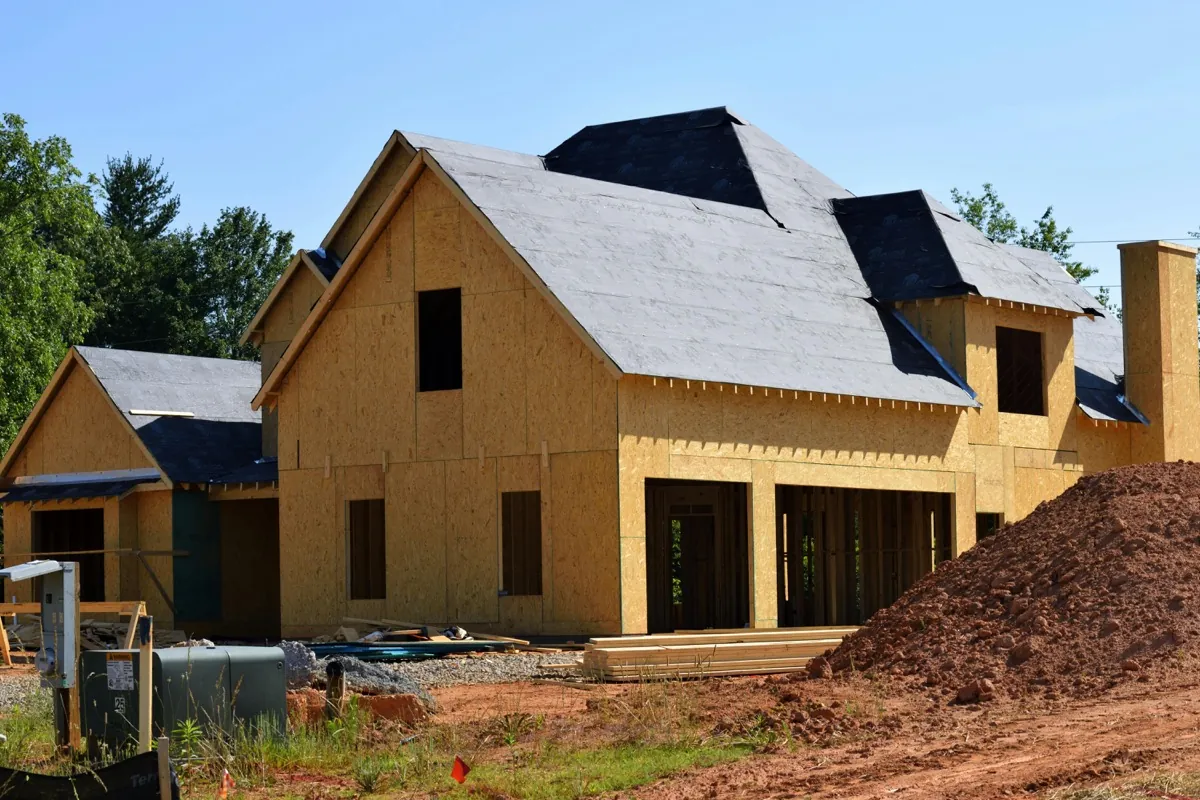
The building behind the building
Walk many of Chicago's older neighborhoods, West Town, Logan Square, Pilsen, Bronzeville, and look down the alley instead of the street. You will see them: squat brick or frame structures at the back of the lot, some still serving as garages, a few quietly lived in, many sitting half-forgotten. These are the city's coach houses, also called carriage houses. They are a piece of Chicago's pre-automobile history hiding in plain sight.
The name is literal. Coach houses date to the era when the city ran on horses. The structure at the back of the lot stored the carriage on the ground floor, with living quarters above for the coachman or groomer, as WTTW has documented. When the automobile arrived, some became garages and others became apartments. Then, for almost seventy years, the city made building new ones illegal. That just changed, and we think it is one of the more interesting opportunities a Chicago property owner has been handed in a long time.
How a useful building got outlawed
In 1957, the City Council rewrote its zoning code and banned new coach houses, along with most new basement and attic dwelling units. The reasoning, in hindsight, was a mistake. As the city's housing officials have noted, postwar demographers were forecasting that Chicago would balloon toward four million residents, and the policy response was to discourage the very kind of gentle density that coach houses represent. The population never came. The ban stayed.
Existing coach houses were grandfathered in, but with a trap. Once a grandfathered unit sat vacant for a year, it lost the right to be used as living space again. Steven Vance of Chicago Cityscape has estimated there are roughly 2,400 coach houses left in the city, with the heaviest concentration in West Town (per WTTW). Thousands more were likely lost, converted, or built without permits and left in legal gray zones. A whole housing type was frozen in place.

Legal again, ward by ward
The thaw came in stages. A 2021 pilot reopened coach houses in five areas of the city. Then, in September 2025, the City Council voted 46 to 0 to take the program citywide, as the city announced. Permit applications under the new citywide rules opened on April 1, 2026 (see Block Club Chicago).
Here is the part that trips people up. ADUs, the umbrella term that includes coach houses, are now allowed by right in most multi-unit residential zones and in many business and commercial districts citywide. But single-family (RS) districts are different. There, ADUs are legal only where the local alderperson opts the ward in, and each alderperson can attach their own conditions, such as owner-occupancy or a cap on how many units go up per block per year. By December 2025, the city reported that 28 wards had construction eligibility in single-family areas (per the city's announcement), with more expected to come online as alderpersons opt in.
So the honest answer to "can I build a coach house?" is: it depends on your zoning and, if you are on a single-family block, on your ward. Before anything else, check your address against the city's eligibility map and confirm your ward's status in writing. We cannot stress this enough, because two visually identical lots one ward apart can have completely different rights.
- Allowed by right in most cases: two-flats, three-flats, larger multi-unit buildings, and many commercial or mixed-use parcels.
- Conditional: single-family (RS) lots, legal only if your alderperson has opted your area in, sometimes with extra conditions.
- Build-form limits to expect: new coach houses are generally capped around 700 square feet, under roughly 22 feet tall, with footprint limits on the rear of the lot. Confirm the current figures on the city's ADU page before you design.
What it actually costs and how long it takes
This is where romance meets a spreadsheet. A coach house is real new construction, not a weekend project, and it prices like it. Industry estimates we have seen put a new Chicago coach house in roughly the $200 to $400 per square foot range, which works out to something like $150,000 for a basic build up to $350,000 or more for higher finishes on a 500 to 700 square foot unit (per a 2026 cost guide from Assembly Service). We want to flag clearly that those are contractor and vendor estimates, not a single official city figure, so treat them as a starting range and get a real bid for your lot.
Restoring an existing coach house can cost less than building new, but it carries its own surprise factor. Older rear structures hide foundation, utility, and code issues that only reveal themselves once work begins, which is why seasoned builders fold a contingency of roughly 5 to 10 percent into the budget. On timing, plan for several months of construction plus the permitting and utility-connection time that Chicago adds on top.
Our advice is unglamorous and important. Get a written contractor estimate before you assume the rent or the family use justifies the spend. Price the utility connections, the design, and the permit timeline as real line items. The owners who pencil this out honestly are the ones who end up with an asset instead of a stalled hole in the back yard. If you want to run the numbers yourself, our calculators are a fine place to start before you commit a dollar.

What a coach house is worth, and who should build one
A coach house adds a separate, legally recognized dwelling unit. That does two things at once: it can generate rent, and it can lift the value of the underlying property, sometimes by effectively reclassifying a single house into a two-unit property. Cook County Assessor Fritz Kaegi backed the expansion and, importantly, confirmed that adding an ADU will not raise assessments on neighboring properties that do not have one (per the Assessor's office). Owners adding value may also be able to use the county's Home Improvement Exemption to shield part of that new value from reassessment for a period. Confirm the current terms with the Assessor before you count on it.
In our view, the clearest candidates are owners who already hold the land. If the dirt and the alley access are already in your name, you are building on the most expensive asset you will ever need without buying it again. The second group is families: a coach house is a dignified, separate place for an aging parent, an adult child saving for a first home, or a caregiver, while keeping everyone close. For a lot of households, that flexibility is the real return, and it keeps multi-generational families rooted in the neighborhoods they built.
Where we land
We are enthusiastic about this policy and clear-eyed about the construction. The carriage house is one of the lowest-impact ways Chicago can add housing, because the lots, the alleys, the sewer and water lines already exist. Letting owners put a small building back there is gentle density done right, and we would rather see that value created by the people who live here than left sitting in a back yard producing nothing.
The limits are real and worth repeating once: permits take time, lot and form rules apply, costs are substantial, and the single-family ward opt-in is a variable you do not control. None of that is a reason to walk away. It is a reason to do the homework first. If you own a Chicago lot and have ever looked at the back of it and wondered, the law finally agrees with you. The next move is to confirm your eligibility and get a real number on the build.
Sources
- WTTW News, Ask Geoffrey: A Brief History of Chicago's Coach Houses (Aug 6, 2020)
- City of Chicago, Mayor Johnson and Ald. Lawson Pass Citywide ADU Expansion (Sept 2025)
- City of Chicago, Council Approves ADU Expansion in Additional Single-Family Districts, 28 Wards (Dec 2025)
- Block Club Chicago, City Program For New Coach Houses, Basement Units Is Live (April 1, 2026)
- City of Chicago Department of Housing, Additional Dwelling Unit (ADU) Program
- Cook County Assessor's Office, Assessor Kaegi Backs Proposed Chicago ADU Expansion
- Assembly Service, Chicago Coach House Conversion Cost 2026 Guide
Wondering if your back lot can carry a coach house
We help owners pressure-test the zoning, the build cost, and the numbers before they commit. Let's look at your lot together.
See what we doFrequently asked questions
Can I build a coach house anywhere in Chicago now?
Not everywhere. Coach houses are allowed by right in most multi-unit and many commercial districts citywide, but single-family (RS) blocks qualify only where the local alderperson has opted the ward in, so check your address on the city's eligibility map and confirm your ward's status first.
How much does a coach house cost to build in Chicago?
Third-party 2026 estimates put new coach houses around 200 to 400 dollars per square foot, roughly 150,000 dollars on the low end to 350,000 or more for higher finishes. Those are vendor estimates, not an official figure, so get a written contractor bid for your specific lot.
Will adding a coach house raise my property taxes?
Adding a legal unit can increase your own property's assessed value, and the county's Home Improvement Exemption may shield part of that for a time. The Assessor has confirmed your neighbors' assessments will not rise just because you build one. Confirm current terms with the Cook County Assessor.
This article is our opinion and general information, not legal, tax, or financial advice; confirm current rules and figures with the City of Chicago, the Cook County Assessor, and your own advisors before building.
Join the conversation
Loading comments...