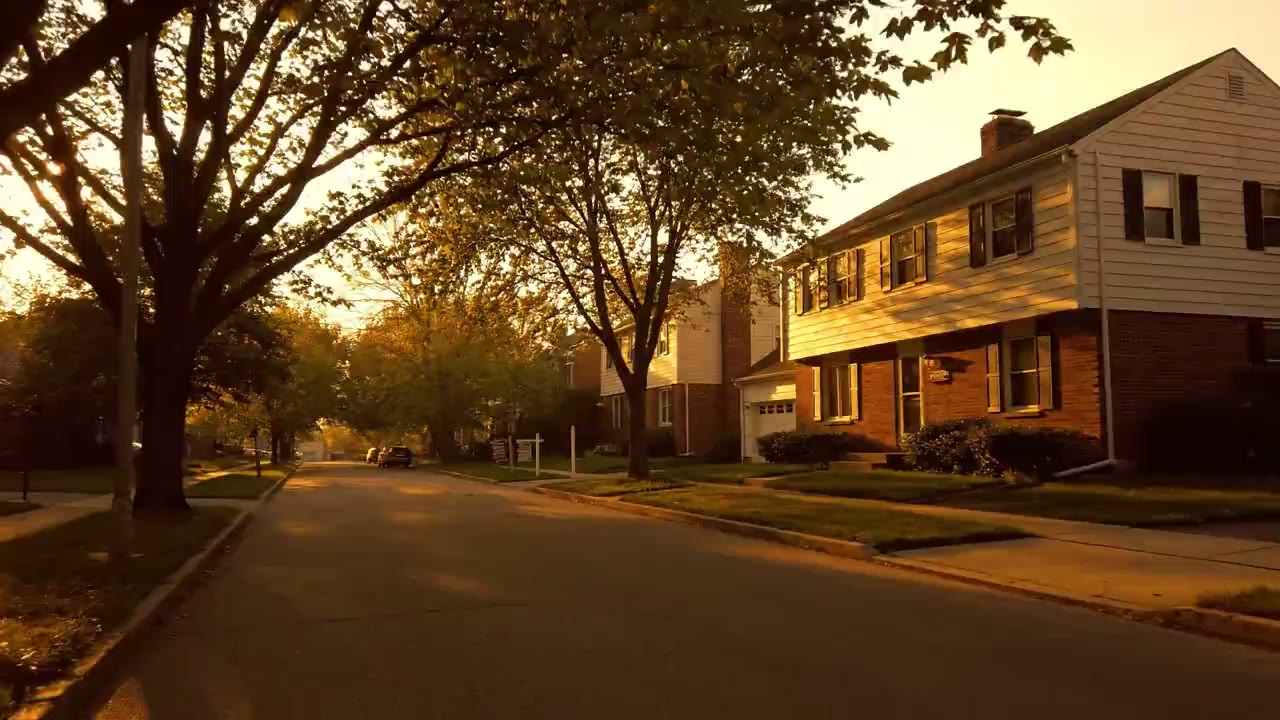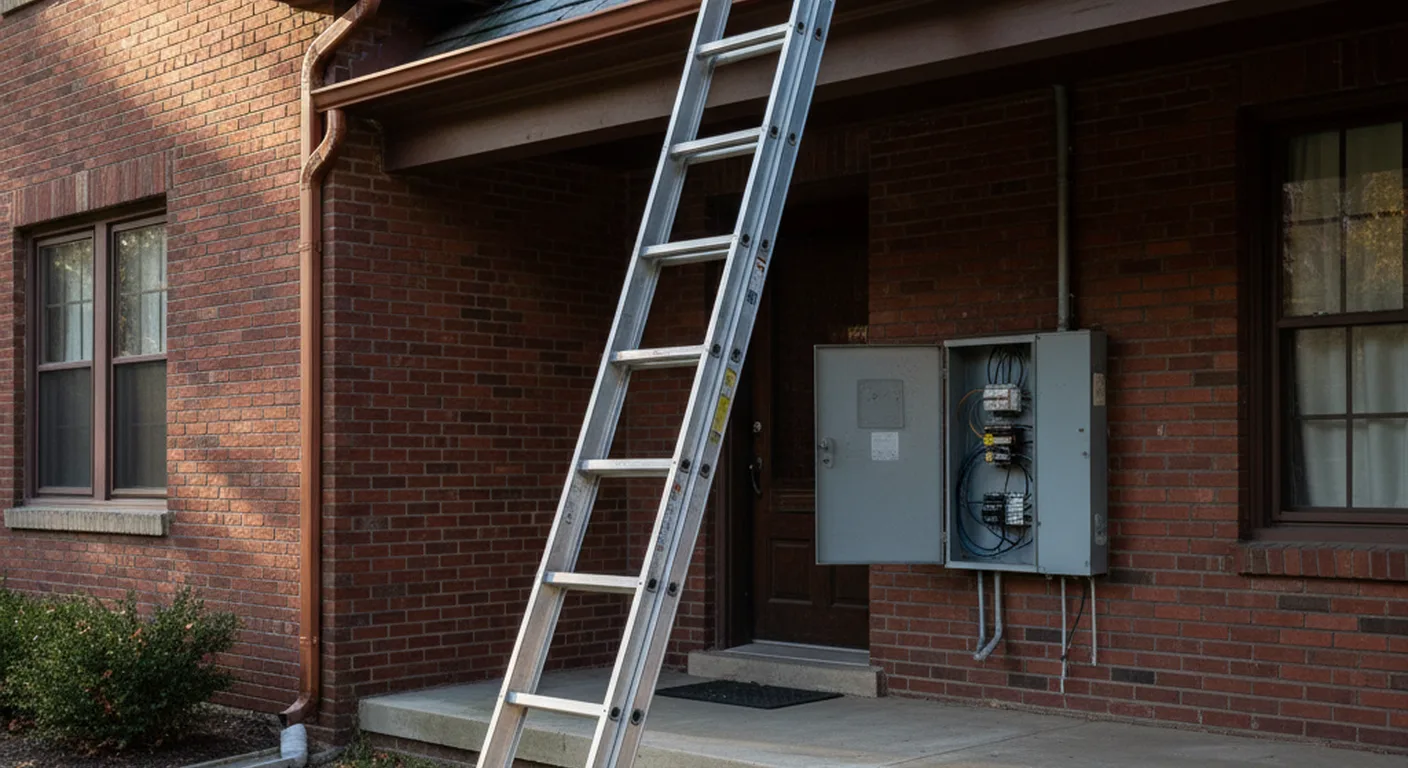
When a buyer makes an offer on your home, the inspection contingency is often the moment that determines whether the deal moves forward or falls apart. Understanding what home inspectors evaluate - and which findings create the biggest problems - gives you a significant advantage as a seller. In Illinois, this process follows specific standards, and Chicago-area homes come with their own set of common issues that every seller should be aware of.
Illinois Home Inspection Licensing Requirements
Illinois takes home inspection seriously. Under the Home Inspector License Act (225 ILCS 441), every home inspector operating in the state must hold a valid license issued by the Illinois Department of Financial and Professional Regulation (IDFPR). Licensed inspectors must complete pre-licensing education, pass a state examination, carry errors and omissions insurance, and meet continuing education requirements.
Use this guide when pricing, timing, costs, buyer behavior, and current market assumptions need to be compared before choosing a path.
How to use this guide
Use this guide when pricing, timing, costs, buyer behavior, and current market assumptions need to be compared before choosing a path.
- Property address, PIN if available, county, occupancy status, and target timeline
- Photos or video of condition issues, access limitations, utilities, and visible repairs
- Mortgage payoff, tax balance, liens, code notices, court papers, or title documents already in hand
- Preferred next step: direct offer review, call, listing comparison, or document-driven feasibility review
Fast review matrix
| Decision point | What to review | Why it matters |
|---|---|---|
| Value and repair burden | Current condition, likely repair scope, access, photos, and buyer financing limits | The real offer depends on risk after closing, not only comparable sales |
| Title and payoff | Mortgage, taxes, liens, court papers, owner authority, and municipal balances | A closing can only work if payoff and signing authority are sequenced |
| Timing and occupancy | Move-out needs, tenants, vacant status, sale dates, notices, and access | Timeline can change which path is realistic: direct sale, listing, or professional review |
This licensing requirement exists to protect consumers. You can verify any inspector's license status through the IDFPR online lookup tool. If someone offers to inspect your home without a license, that inspection may not hold up during negotiations and could expose you to liability issues.
Major Inspection Categories: What Gets Checked
A standard home inspection in Illinois covers the major structural and mechanical systems of the property. Here's a detailed breakdown of each category and what inspectors are looking for.
Structural Components
The structural inspection examines the foundation, load-bearing walls, floor systems, and overall structural integrity. Inspectors look for foundation cracks, with an important distinction: vertical cracks are common and usually result from normal settling, while horizontal cracks indicate lateral pressure from the soil and are a serious structural concern. They also check for evidence of settlement (uneven floors, doors that don't close properly), sagging floor joists, and bowed or leaning walls.
In the Chicago area, structural issues are particularly common in pre-war homes where foundations have been bearing weight for 80-100+ years. Inspectors will pay close attention to basement walls, support posts, and any evidence of previous structural repairs.
Roof System
Roof inspections evaluate the covering material, flashing, gutters, downspouts, and overall condition. Asphalt shingles (the most common roof material in the Chicago area) have a typical lifespan of 15-25 years depending on quality and exposure. Inspectors look for missing or damaged shingles, deteriorated flashing around penetrations (chimneys, vents, skylights), and signs of ice dam damage along eaves.
Flat roofs, which are extremely common on Chicago two-flats, three-flats, and commercial buildings, receive special scrutiny. Modified bitumen and EPDM rubber roofs have different failure modes than pitched roofs, and ponding water is a frequent issue on flat roof structures.
HVAC Systems
Inspectors evaluate the heating and cooling systems including the furnace (typical lifespan 15-20 years), air conditioning unit (10-15 years), ductwork, thermostat, and ventilation. They test the system's operation, check for proper combustion and venting, and look for carbon monoxide risk factors. The age of the equipment is a major consideration - a 20-year-old furnace may still function but represents an imminent replacement cost of $3,000-$7,000.
Plumbing
The plumbing inspection covers supply pipes, drain lines, water heater, fixtures, and functional water flow. Pipe material is one of the most scrutinized items: galvanized steel pipes (common in pre-1960 homes) are a significant red flag because they corrode from the inside, reducing water pressure and eventually failing. Copper and PEX piping are the current standards and indicate a property that has been updated.
Inspectors test water pressure throughout the home, check for leaks at visible connections, evaluate the water heater's age and condition, and note the sewer line material if accessible. In Chicago, sewer line condition is a critical finding that can significantly impact negotiations.
Electrical System
Electrical inspections cover the main panel, wiring type, grounding, outlet functionality, and safety features. The panel should have at least 100-amp capacity for modern electrical demands, though 200-amp panels are increasingly the standard. Knob-and-tube wiring, found in homes built before 1950, is a major concern because most insurance companies either won't insure homes with active knob-and-tube or charge significant premiums.
Inspectors also verify the presence of GFCI (Ground Fault Circuit Interrupter) outlets near water sources (kitchens, bathrooms, laundry areas, exterior) and working smoke and carbon monoxide detectors on every level.
Exterior and Interior
On the exterior, inspectors evaluate siding condition, grading and drainage around the foundation, gutter systems, window seals, and the condition of decks, porches, and walkways. Proper grading - where soil slopes away from the foundation - is essential for preventing water intrusion.
Interior inspections cover wall and ceiling condition (cracks can indicate structural movement, stains suggest water intrusion), flooring condition, window operation, and interior door function. Ceiling stains in particular are a red flag that often leads to further investigation of the roof or plumbing above.
Insulation and Ventilation
Inspectors check attic insulation depth and type, vapor barriers, bathroom ventilation (exhaust fans venting to the exterior, not into the attic), and overall ventilation adequacy. Inadequate attic ventilation in Chicago's climate leads to ice dams in winter and excessive heat buildup in summer, both of which accelerate roof deterioration.
Don't want to deal with inspection negotiations? Sell as-is for cash. Call (630) 290-9959.
Chicago-Specific Red Flag Findings
Chicago's housing stock has distinctive characteristics that create inspection issues rarely seen in newer suburban developments. If you own an older Chicago home, these are the findings most likely to surface during an inspection:
Clay Sewer Lines
Homes built before 1960 in Chicago typically have clay (vitrified tile) sewer lines connecting the home to the city sewer main. These pipes are brittle, prone to root intrusion from nearby trees, and can collapse over time. A sewer scope inspection (a camera inspection of the sewer line, typically $150-$300 additional) frequently reveals cracked, separated, or root-filled clay pipes. Replacement costs range from $3,000-$25,000 depending on depth and length.
Limestone Foundations
Many homes built before 1920 in Chicago sit on limestone block foundations rather than poured concrete. Limestone is porous, and over 100+ years, the morite (mortar) between blocks deteriorates, allowing water seepage and structural compromise. Tuckpointing a limestone foundation costs $5,000-$15,000, and in severe cases, the foundation may need to be reinforced with steel or replaced in sections.
Balloon-Frame Construction
Pre-1940 Chicago homes were frequently built using balloon-frame construction, where wall studs run continuously from the foundation to the roof. Unlike modern platform framing, balloon framing creates open channels within wall cavities that allow fire to spread rapidly from the basement to the attic. Insurance companies view balloon framing as a fire hazard, and some require fire-blocking retrofits as a condition of coverage.
Lead Paint
Any home built before 1978 may contain lead-based paint. Federal law requires sellers to provide buyers with an EPA-approved pamphlet on lead paint hazards and disclose any known lead paint in the property. In Chicago, where a large percentage of the housing stock predates 1978, this is a nearly universal disclosure. Lead paint in good condition (not peeling or chalking) is less of an immediate hazard, but deteriorating lead paint, especially in homes with young children, can be a deal-breaker. The EPA provides detailed guidance on lead paint requirements for sellers.
Asbestos
Homes built before 1980 may contain asbestos in various materials: pipe insulation, floor tiles (9x9 inch tiles are frequently asbestos), duct insulation, exterior siding shingles, and textured ceiling coatings. Asbestos in good condition and left undisturbed is not an immediate health risk, but any renovation or demolition that disturbs asbestos-containing materials requires licensed abatement. Costs for abatement range from $1,500 for small areas to $20,000+ for whole-house remediation.
What Inspections Cost in Illinois
A standard home inspection in Illinois typically costs $300-$500 for a single-family home, depending on the home's size, age, and location. Larger homes and older properties take longer to inspect and cost more. Specialized inspections are additional:
- Radon testing: $125-$200
- Sewer scope: $150-$300
- Mold testing: $300-$600
- Wood-destroying organism (termite): $65-$150
The buyer pays for the inspection in a traditional sale. The inspection typically takes 2-4 hours depending on the property size and age, and the inspector produces a written report (usually within 24-48 hours) documenting all findings with photographs. The American Society of Home Inspectors (ASHI) maintains standards of practice that most licensed inspectors follow.
What Happens When Inspection Reveals Problems
After the inspection, buyers in Illinois typically have an inspection contingency period (often 5-10 business days per the contract) to respond. Their options include:
- Requesting repairs: The buyer asks you to fix specific items before closing
- Requesting a credit: The buyer asks for a dollar amount off the purchase price or as a closing credit to cover repair costs
- Renegotiating the price: Based on the scope of issues found, the buyer may request a lower purchase price
- Walking away: If the inspection contingency is still in effect, the buyer can cancel the contract and get their earnest money back
For sellers, this negotiation phase is where deals most frequently fall apart. Major findings like foundation issues, roof failure, or sewer line problems can lead to repair requests of $10,000-$50,000 or more. Even when buyers don't walk away, the price reductions and credits they request can significantly reduce your net proceeds.
Why Cash Buyers Skip Inspection Contingencies
Cash buyers and real estate investors approach inspections fundamentally differently from traditional buyers. They typically waive the inspection contingency entirely, meaning they purchase the property as-is regardless of what an inspection would reveal.
This doesn't mean they buy blindly. Cash buyers evaluate the property before making an offer and factor known and estimated repair costs into their offer price. But because they're buying to renovate and resell (or to hold as a rental), they expect to address deferred maintenance and aren't deterred by the kinds of findings that scare away conventional buyers.
For sellers with older homes, homes in poor condition, or properties with known issues, selling to a cash buyer eliminates the inspection negotiation entirely. There's no risk of a deal falling through because of what an inspector finds, no back-and-forth over repair credits, and no delays while contractors provide repair estimates.
Frequently Asked Questions
How much does a home inspection cost in Illinois?
Typically $300-$500 for a standard single-family home. Larger homes, older homes, and specialized inspections (radon, mold, sewer scope) cost additional.
What are the biggest red flags in a home inspection?
Foundation issues (horizontal cracks, bowing walls), active water intrusion, knob-and-tube wiring, galvanized plumbing, roof at end of life, and evidence of mold or asbestos.
Can I sell my house if it fails inspection?
There's no pass/fail in a home inspection. The inspector reports conditions. You can negotiate repairs, offer credits, reduce the price, or sell as-is to a cash buyer who waives inspection contingencies.
Do I need to fix everything before selling?
No. You must disclose known material defects under Illinois law (765 ILCS 77/), but you're not required to fix them. Cash buyers purchase properties with known issues.
What are common Chicago-specific inspection issues?
Clay sewer lines, limestone foundations, balloon-frame construction, lead paint, asbestos, and aging mechanicals in pre-war homes are the most common Chicago-area concerns.