
A job transfer, a family change, a military PCS order, or simply a fresh start in a new city. Whatever is driving your relocation from Chicago, one thing is certain: you need to figure out what to do with your house, and you probably need to figure it out fast. The traditional route of listing with a real estate agent, staging the home, hosting open houses, and waiting months for a buyer is not always realistic when you have a relocation deadline looming. You can compare your options against neutral guidance from the U.S. Department of Housing and Urban Development.
Selling your Chicago home for cash can eliminate the uncertainty and stress of a traditional sale, letting you focus on your move rather than worrying about whether your house will sell in time.
How to use this guide
Use this guide when the owner needs a practical property review before choosing a direct offer, listing path, or professional handoff.
- Property address, PIN if available, county, occupancy status, and target timeline
- Photos or video of condition issues, access limitations, utilities, and visible repairs
- Mortgage payoff, tax balance, liens, code notices, court papers, or title documents already in hand
- Preferred next step: direct offer review, call, listing comparison, or document-driven feasibility review
Use this guide when the owner needs a practical property review before choosing a direct offer, listing path, or professional handoff.
Fast review matrix
| Decision point | What to review | Why it matters |
|---|---|---|
| Value and repair burden | Current condition, likely repair scope, access, photos, and buyer financing limits | The real offer depends on risk after closing, not only comparable sales |
| Title and payoff | Mortgage, taxes, liens, court papers, owner authority, and municipal balances | A closing can only work if payoff and signing authority are sequenced |
| Timing and occupancy | Move-out needs, tenants, vacant status, sale dates, notices, and access | Timeline can change which path is realistic: direct sale, listing, or professional review |
Why Is Selling During a Relocation So Stressful?
Relocations create a unique combination of pressures that make a traditional home sale difficult. Your new employer may need you to start within a few weeks. You may be searching for housing in your new city while simultaneously trying to keep your Chicago home show-ready. The logistics of coordinating repairs, staging, and showings from hundreds or thousands of miles away can be exhausting.
The most common challenges relocating Chicago homeowners face include:
- Tight timelines. Many employers give 30 to 60 days' notice for a relocation. A traditional listing in Cook County averages 60 to 90 days on market before an accepted offer, followed by another 30 to 45 days to close. That timeline does not align with most relocation schedules.
- Carrying two mortgages. If you purchase or rent in your new location before your Chicago home sells, you face the financial burden of paying for two residences simultaneously. This can strain your budget and add enormous pressure to accept a lower offer just to get the sale done.
- Remote management. Once you leave Chicago, managing the sale from afar introduces complications. Who lets the inspector in? Who handles the appraisal? What if the buyer's lender requires repairs before closing? Every issue becomes harder to solve when you are not local.
- Vacant home risks. An empty house is vulnerable to break-ins, frozen pipes in winter, undetected water leaks, and rapid deterioration. Insurance companies may charge higher premiums or restrict coverage on vacant properties. If your home sits empty for months while listed, these risks compound.
How Does a Cash Sale Solve Relocation Challenges?
A cash sale eliminates nearly every obstacle that makes relocating with a house so difficult. When you sell without a realtor to a direct cash buyer, there is no listing period, no waiting for mortgage approvals, and no risk of the deal falling apart due to financing or inspection contingencies.
Here is how it works: you contact us, we evaluate your property and records, then we present a fair cash offer when the facts support it. If you accept, we schedule closing around your timeline. Need to close before your move date? We move as quickly as title, payoff, access, and closing requirements allow. Already left Chicago and need a remote closing? We can coordinate that path too. The process is designed around your schedule, not the market's.
You also save on costs that erode your equity in a traditional sale. There are no real estate agent commissions (typically 5-6% of the sale price), no staging expenses, no repair costs, and no carrying costs for the months your home would sit on the market. For a $300,000 home, agent commissions alone would cost $15,000 to $18,000. That money stays in your pocket with a cash sale. Current market context and consumer resources are published by Illinois Realtors.
What About Military Relocations and PCS Orders?
Military families face some of the tightest relocation timelines. A Permanent Change of Station (PCS) order can arrive with as little as 30 days' notice, and the service member must report to their new duty station by the specified date regardless of whether their home has sold.
The Servicemembers Civil Relief Act (SCRA) provides some protections, including the ability to terminate a residential lease early. However, it does not solve the problem of selling a home you own. Military homeowners often face a choice between renting out their property from afar (with all the management headaches that entails) or selling quickly at whatever price the market offers.
A cash sale gives military families a third option: sell fast, receive fair value, and close before the PCS report date. We have worked with military families at Great Lakes Naval Station and Scott Air Force Base who needed to sell their Chicago-area homes on compressed timelines. We understand the urgency and structure our process accordingly.
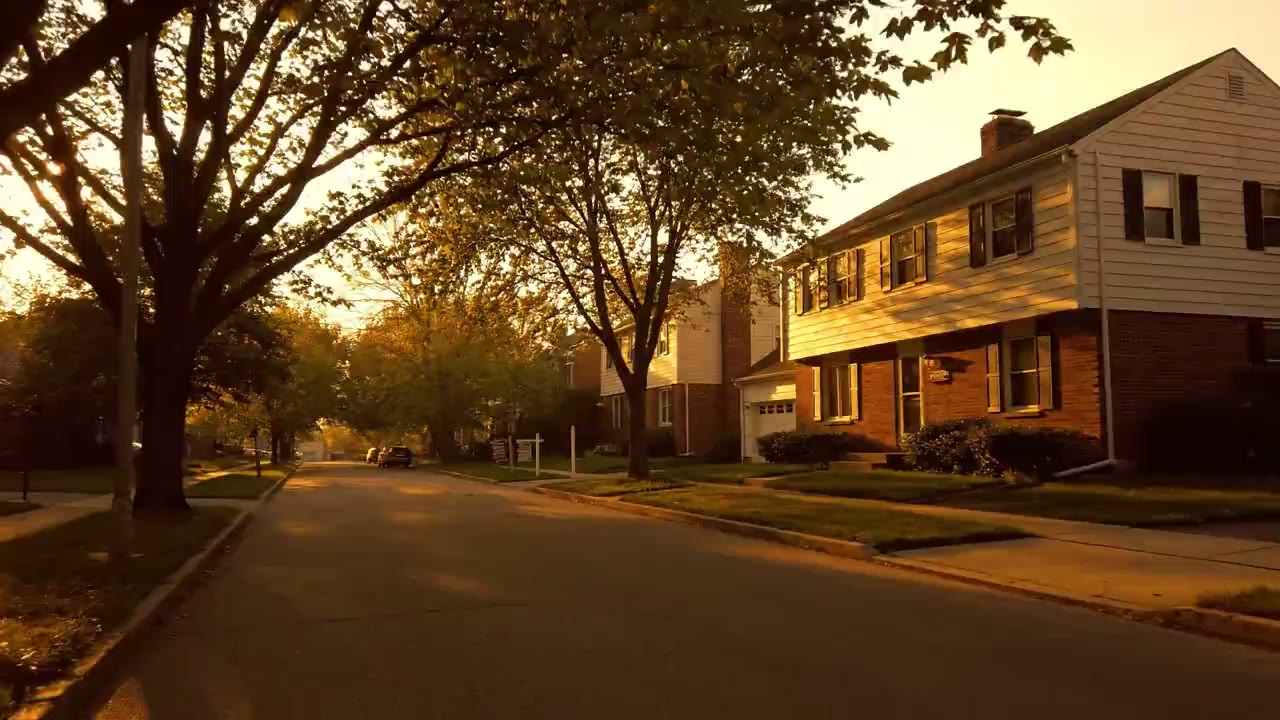
Should You Keep Your Chicago Home as a Rental?
Some relocating homeowners consider keeping their Chicago property and renting it out rather than selling. This can work in certain situations, but it is important to go in with realistic expectations about what remote landlording entails.
Chicago has some of the most tenant-protective regulations in the country through the Residential Landlord Tenant Ordinance (RLTO). Security deposit handling, required disclosures, notice periods for lease termination, and remediation responsibilities are all strictly regulated. Violations can result in penalties equal to two months' rent plus professional fees for the tenant.
You will also need a property management company, which typically charges 8-10% of monthly rent, plus fees for tenant placement, maintenance coordination, and lease renewals. Factor in property taxes (which are notably high in Cook County), insurance, maintenance, and vacancy periods, and the net income from a rental property is often lower than owners expect. Tax treatment of a home sale is summarized by the IRS on the sale of your home.
For many relocating homeowners, the simplicity and certainty of a cash sale outweighs the potential long-term income from a rental. You receive your equity immediately, eliminate the ongoing responsibilities, and start fresh in your new location without ties to a property hundreds of miles away. Visit our how it works page to see how straightforward the process is.
Can You Close on Your Chicago Home Remotely?
Yes. If you have already left Chicago, you can still close on the sale of your home without returning. Illinois allows remote closings through two primary methods:
- Remote Online Notarization (RON). Illinois approved RON under Public Act 101-0345, allowing documents to be signed and notarized via a secure video platform. You sign from wherever you are, and the notarization is legally valid.
- Power of Attorney. You can grant a trusted person, such as an attorney, family member, or friend, the authority to sign closing documents on your behalf. The power of attorney must be drafted to specifically authorize the sale of real property and should be prepared by an attorney familiar with Illinois real estate law.
We work with title companies experienced in remote closings, so the process is smooth regardless of where you are located. Funds from the sale are wired directly to your bank account on the closing date.
If you are relocating from Chicago and need to sell your home quickly, reach out for a free, no-obligation cash offer. We can work around your move date and handle everything while you focus on your transition.
Frequently Asked Questions
Can I close on my Chicago house remotely?
Yes. Illinois allows remote closings using Remote Online Notarization (RON) or through a power of attorney. You can sign closing documents electronically from wherever you are, or designate someone to sign on your behalf. We work with title companies that handle remote closings regularly, so you do not need to travel back to Chicago.
How fast can I sell my house when relocating from Chicago?
A cash sale can close in as little as a title-ready closing window from initial contact. There is no waiting for mortgage approvals, no buyer inspections, and no contingencies. This is significantly faster than a traditional listing, which averages 60 to 90 days on market in Cook County plus 30 to 45 days to close.
Should I keep my Chicago house as a rental instead of selling?
It depends on your situation. Remote landlording in Chicago requires a property management company (8-10% of rent), compliance with the strict Chicago RLTO, and ongoing expenses for taxes, insurance, and maintenance. Many relocating owners find that selling for cash provides a cleaner financial break and eliminates the stress of managing a property from afar.