Discovering mold in your Chicago home can feel overwhelming. Between the health concerns, the cost of professional remediation, and the knowledge that most traditional buyers will walk away from a mold-affected property, many homeowners feel stuck. The good news is that you have options, and selling a house with mold in Chicago does not have to be a drawn-out, expensive ordeal. You can compare your options against neutral guidance from the U.S. Department of Housing and Urban Development.
Chicago's climate creates the perfect conditions for mold growth. Cold winters lead to condensation on windows and walls. Humid summers push moisture into basements and crawl spaces. The city's aging housing stock, combined with a combined sewer system prone to backups, means that water intrusion and the mold that follows are among the most common issues facing Chicago homeowners.
How to use this guide
Use this guide when repair scope, insurance, permits, lender concerns, access, and as-is buyer math matter more than cosmetic listing advice.
- Property address, PIN if available, county, occupancy status, and target timeline
- Photos or video of condition issues, access limitations, utilities, and visible repairs
- Mortgage payoff, tax balance, liens, code notices, court papers, or title documents already in hand
- Preferred next step: direct offer review, call, listing comparison, or document-driven feasibility review
Use this guide when repair scope, insurance, permits, lender concerns, access, and as-is buyer math matter more than cosmetic listing advice.
Fast review matrix
| Decision point | What to review | Why it matters |
|---|---|---|
| Value and repair burden | Current condition, likely repair scope, access, photos, and buyer financing limits | The real offer depends on risk after closing, not only comparable sales |
| Title and payoff | Mortgage, taxes, liens, court papers, owner authority, and municipal balances | A closing can only work if payoff and signing authority are sequenced |
| Timing and occupancy | Move-out needs, tenants, vacant status, sale dates, notices, and access | Timeline can change which path is realistic: direct sale, listing, or professional review |
What Types of Mold Are Found in Chicago Homes?
Not all mold is the same, and understanding what you are dealing with can help you make informed decisions about your next steps. The most common types of mold found in Chicago homes include:
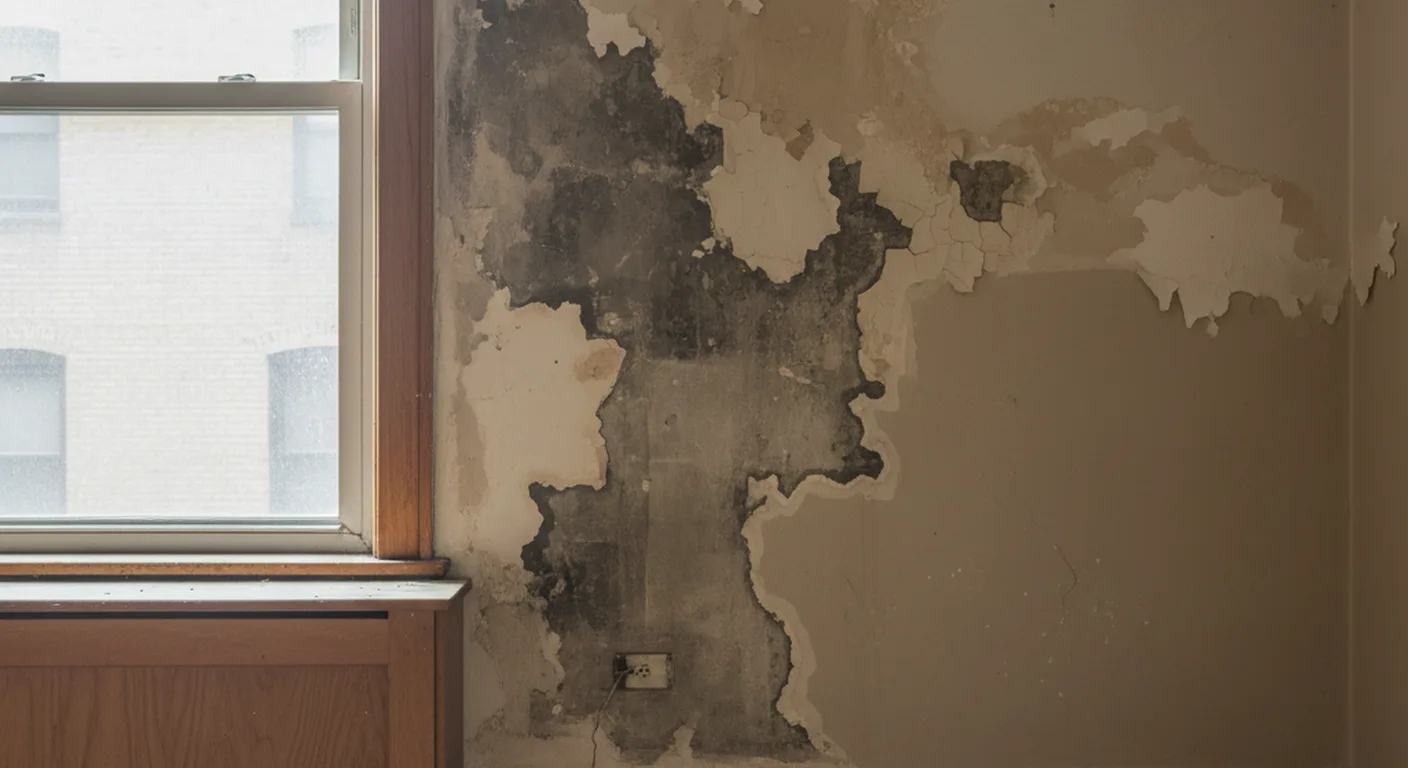
- Stachybotrys chartarum (black mold) - The most concerning variety, black mold thrives in areas with chronic moisture and produces mycotoxins that can cause respiratory problems, headaches, and fatigue. It typically appears as dark greenish-black patches on drywall, wood, and ceiling tiles that have been wet for extended periods.
- Aspergillus - Commonly found in HVAC systems, insulation, and water-damaged walls. Some species can cause allergic reactions and respiratory infections, especially in people with weakened immune systems.
- Cladosporium - Often appears on painted surfaces, wood, and textiles. While less toxic than black mold, it can still trigger allergy symptoms and asthma attacks.
- Penicillium - Frequently found in water-damaged materials, carpeting, and wallpaper. Spreads quickly and can cause sinus infections and allergic reactions.
If your home has experienced water damage from flooding, pipe bursts, or roof leaks, there is a strong likelihood that mold has developed in areas you may not be able to see, such as inside wall cavities, beneath flooring, or within HVAC ductwork.
What Does Illinois Law Require You to Disclose About Mold?
Illinois is a disclosure state when it comes to residential real estate transactions. Under the Illinois Residential Real Property Disclosure Act (765 ILCS 77), sellers must complete a disclosure report that includes questions about known environmental hazards, including mold. You are legally required to disclose any mold you know about, regardless of whether it has been remediated.
The key word is "known." You are not required to conduct a mold inspection before selling, and you are not liable for mold you genuinely did not know existed. However, if you have visible mold, have received a mold inspection report, or have experienced water damage that you know led to mold growth, you must disclose it. Failure to disclose known mold can result in legal action from the buyer after closing.
This disclosure requirement is one of the reasons many homeowners with mold issues choose to sell to a cash buyer rather than listing on the open market. When you sell as-is to an investor who inspects the property and accepts it with full knowledge of the mold, you fulfill your legal obligation and eliminate the risk of future claims. Current market context and consumer resources are published by Illinois Realtors.
How Much Does Mold Remediation Cost in Chicago?
Mold remediation costs in the Chicago area vary widely depending on the scope of the problem. Here are typical cost ranges:
- Small areas (under 10 square feet) - $500 to $1,500. Surface mold in bathrooms, around windows, or on exposed basement walls.
- Moderate contamination - $2,000 to $6,000. Mold in multiple rooms, inside wall cavities, or in HVAC ductwork.
- Extensive contamination - $6,000 to $15,000 or more. Black mold throughout a basement, crawl space, or attic. Situations requiring removal of drywall, insulation, flooring, or structural framing.
These figures cover only the remediation itself. They do not include fixing the underlying moisture problem, which might involve waterproofing a basement, repairing a roof, replacing plumbing, or installing proper ventilation. When you add the cost of addressing the root cause, many homeowners find themselves facing $15,000 to $30,000 or more in total expenses. For homes already in poor overall condition, these costs can exceed the return you would get from listing the house on the market.
Why Do Traditional Buyers Avoid Homes with Mold?
Mold is one of the biggest deal-breakers in traditional real estate transactions. Home inspectors flag mold aggressively, and buyers' lenders often require professional mold testing and clearance before approving a mortgage. Even after remediation is complete and a clearance certificate is issued, many buyers remain uncomfortable purchasing a home with a documented mold history.
FHA and VA loans are particularly strict. If an appraiser identifies visible mold during the appraisal process, the lender will typically require remediation and re-inspection before the loan can close. This adds weeks to the timeline and introduces uncertainty into the transaction. Conventional lenders may also flag mold, especially if the contamination is extensive or if the property has a history of water damage claims with insurance companies.
Why Does Selling As-Is Make Sense for Mold-Affected Homes?
When you sell a house with mold to a cash buyer, you avoid the entire cycle of remediation, re-inspection, and buyer uncertainty. Cash buyers like us purchase properties in their current condition, including homes with active mold contamination. We have professional remediation partners and handle all cleanup after closing.
Selling as-is means you do not need to spend thousands on remediation only to hope a traditional buyer feels comfortable with the property afterward. You do not need to fix the plumbing leak, the roof, or the basement drainage issue that caused the mold in the first place. You sell the property, receive your cash, and move on without the stress or expense of a lengthy remediation project.
This approach is especially valuable if you are also dealing with other property issues. Many homes with mold also have structural concerns, code violations, or deferred maintenance that make a traditional sale impractical. Selling as-is addresses all of these issues in a single transaction. Tax treatment of a home sale is summarized by the IRS on the sale of your home.
Frequently Asked Questions
Do I have to disclose mold when selling a house in Illinois?
Yes. The Illinois Residential Real Property Disclosure Act requires sellers to disclose known mold and environmental hazards. You must report any mold you are aware of, whether or not it has been remediated. However, you are not required to conduct a mold inspection before selling. When you sell as-is to a cash buyer who inspects and accepts the property, you satisfy your disclosure obligation and eliminate the risk of post-sale claims.
How much does mold remediation cost in Chicago?
Mold remediation in Chicago typically costs between $2,000 and $15,000 depending on the type and extent of the contamination. Small surface mold issues may cost $500 to $1,500, while extensive black mold in basements or behind walls can exceed $10,000. These costs do not include repairing the underlying moisture source, which can add thousands more to the total expense.
Is mold in a house dangerous to your health?
Certain molds, particularly black mold (Stachybotrys chartarum), can pose health risks including respiratory issues, headaches, fatigue, and skin irritation. Even less toxic varieties like Aspergillus and Cladosporium can trigger allergic reactions and asthma. People with respiratory conditions, allergies, or weakened immune systems are most vulnerable. If you are experiencing health symptoms, limiting your exposure by selling the property may be a better option than enduring a lengthy remediation process.
If your Chicago home has mold and you want to avoid the cost and hassle of remediation, contact us for a free, no-obligation cash offer. We can evaluate your property and present a fair offer after viewing and records review, with closing after title and closing requirements are ready.