Sell Chicago Properties

Sell a Hoarder House in Chicago Without Cleaning It Out

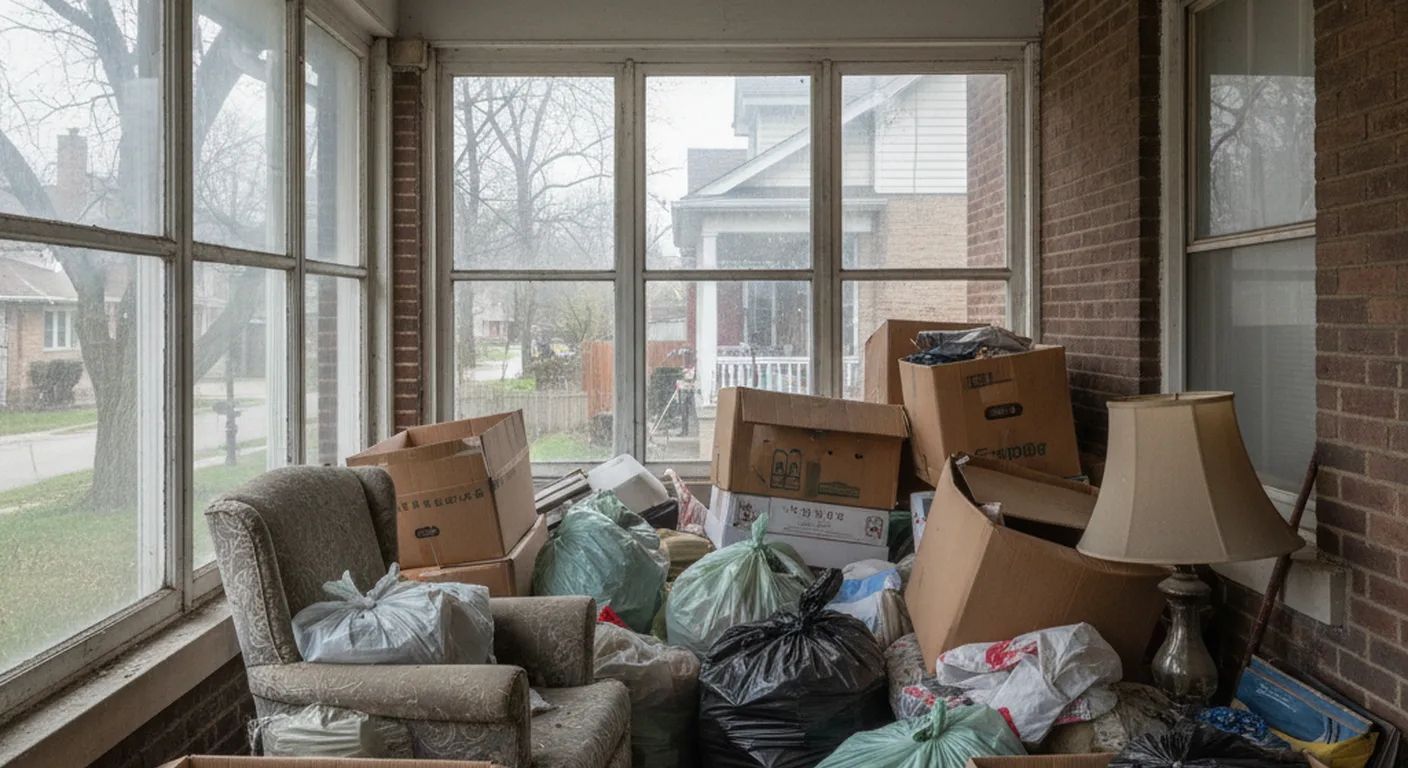
A cluttered interior of a hoarder house in Chicago.
Chicago-area as-is property review for repair and condition issues

Dealing with a hoarder house is one of the most emotionally and physically challenging situations a homeowner or family member can face. Whether the hoarding was caused by mental health conditions, grief, aging, or simply decades of accumulation, the result is a property that feels impossible to sell. Traditional real estate agents will not list it. Conventional buyers will not touch it. And the cost of professional cleanup can rival the cost of buying a used car. If you are facing this situation in Chicago, know that you are not alone and that there is a straightforward path to selling the property without spending thousands on cleanup. You can compare your options against neutral guidance from the U.S. Department of Housing and Urban Development.

Why Traditional Sales Do Not Work for Hoarder Houses

A hoarder house presents problems at every stage of a traditional real estate transaction. Real estate agents are reluctant to list properties filled with clutter because they cannot show the home effectively. Buyers cannot see the floors, the walls, or the condition of the home underneath the accumulation. Photographers cannot take listing photos. Home inspectors cannot access critical systems like the furnace, water heater, electrical panel, and plumbing fixtures.

Use this guide when repair scope, insurance, permits, lender concerns, access, and as-is buyer math matter more than cosmetic listing advice.

How to use this guide

Use this guide when repair scope, insurance, permits, lender concerns, access, and as-is buyer math matter more than cosmetic listing advice.

  • Property address, PIN if available, county, occupancy status, and target timeline
  • Photos or video of condition issues, access limitations, utilities, and visible repairs
  • Mortgage payoff, tax balance, liens, code notices, court papers, or title documents already in hand
  • Preferred next step: direct offer review, call, listing comparison, or document-driven feasibility review

Fast review matrix

Decision pointWhat to reviewWhy it matters
Value and repair burdenCurrent condition, likely repair scope, access, photos, and buyer financing limitsThe real offer depends on risk after closing, not only comparable sales
Title and payoffMortgage, taxes, liens, court papers, owner authority, and municipal balancesA closing can only work if payoff and signing authority are sequenced
Timing and occupancyMove-out needs, tenants, vacant status, sale dates, notices, and accessTimeline can change which path is realistic: direct sale, listing, or professional review
Request offer review Seller paths Contact the team

Even if you could find a listing agent willing to take on the property, mortgage lenders will not approve financing for a home in hoarding condition. FHA appraisers, in particular, have strict habitability requirements that a hoarder house simply cannot meet. The home must be accessible, safe, and free of health hazards before a loan can be approved. This eliminates the vast majority of potential buyers.

Watch: how an investor-led property review actually works.

The Real Cost of Hoarding Cleanup

Professional hoarding cleanup in Chicago typically costs $5,000 to $25,000 or more, depending on the severity of the accumulation and the size of the home. A moderate hoarding situation in a standard Chicago bungalow might require two to three large dumpsters and a crew of four to six workers for two to three days, costing $5,000 to $8,000. Severe hoarding situations that involve biohazards, animal waste, pest infestations, or structural damage can cost $15,000 to $25,000 or more and take a week or longer to remediate.

Beyond the removal costs, you may discover significant damage underneath the clutter. Water damage from leaks that went undetected for years, pest damage from rodents and insects that thrived in the cluttered environment, mold growth from moisture trapped under piles of belongings, and structural damage from the weight of accumulated materials are all common findings. These hidden repairs can easily add another $10,000 to $30,000 to the cost of getting the property ready for a traditional sale. Current market context and consumer resources are published by Illinois Realtors.

The Emotional Dimension

Hoarding situations often involve deeply personal and emotional circumstances. The property may belong to an aging parent who can no longer live independently, a family member who has passed away, or a relative struggling with mental health challenges. Cleaning out the home can feel like an invasion of privacy or a betrayal of the person whose belongings fill every room.

We approach these situations with sensitivity and without judgment. We have purchased numerous hoarder properties throughout Chicago's South Side and West Side, and we understand that behind every cluttered room is a human story. Our process does not require the family to sort through belongings, make difficult decisions about what to keep, or manage a cleanup crew. We buy the property as-is, with everything inside, and handle the cleanup ourselves after closing.

Chicago property at night, illustrative
A Chicago property at night, illustrative.

Common Hoarder House Scenarios in Chicago

The most common situation we encounter is an inherited property where the deceased was a hoarder. The heirs, often living out of state, are overwhelmed by the prospect of cleaning out decades of accumulated belongings. They do not have the time, the physical ability, or the emotional bandwidth to manage the cleanup. Selling the property as-is to a cash buyer removes this burden entirely.

We also work with families of living hoarders who need to transition to assisted living or nursing care. In these cases, the home needs to be sold to fund the care, but the hoarding condition makes a traditional sale impossible. We can purchase the property quickly, providing the funds needed for the family member's care without requiring a months-long cleanup process.

Properties that have not been maintained for years often have additional issues beyond the hoarding itself. Building code violations, structural deterioration, and deferred maintenance are common companions to hoarding situations. We evaluate and purchase properties with all of these conditions, and our offer reflects the full scope of work needed. Tax treatment of a home sale is summarized by the IRS on the sale of your home.

Our Process for Buying Hoarder Houses

When we evaluate a hoarder house, we do our best to assess the property's structure, systems, and overall condition despite the clutter. We bring experienced inspectors who know how to evaluate a property in hoarding condition. Based on our assessment, we present a fair cash offer that reflects the property's value minus the cleanup and repair costs we will incur. If you accept, we close at a title company, and you walk away with cash in hand. We then handle all cleanup, repairs, and renovation ourselves.

If you or a family member is dealing with a hoarder house in Chicago, contact us for a confidential, no-obligation evaluation. We can visit the property, discuss your situation, and present an offer after viewing and records review. No cleanup required. No judgment. Just a fair offer and a fresh start.

Frequently Asked Questions

Do I need to clean out a hoarder house before selling?

No. We buy the property as-is with everything inside. You do not need to sort through belongings, hire a cleanup crew, or remove any items. We handle all cleanup after closing, saving you thousands and eliminating the emotional burden.

How much does hoarding cleanup cost in Chicago?

Professional hoarding cleanup typically costs $5,000 to $25,000+ depending on severity. A moderate situation might cost $5,000 to $8,000. Severe cases with biohazards or pest infestations can cost $15,000 to $25,000, not including structural repairs.

Can you buy a house that has not been maintained in years?

Yes. We regularly purchase homes with years of deferred maintenance. We evaluate the property in its current condition and make a fair offer. No repairs or improvements needed.


Chicago property interior, illustrative
A Chicago property interior, illustrative.

Decision brief for this topic

This page belongs to the Repair, Damage, and As-Is Sale Guides cluster. Use it with the calculator, glossary, and related guides so the next step is based on property facts instead of guesswork.

CheckpointWhat to do
Before asking for a priceGather address, PIN, county, occupancy, photos, repair issues, tax balances, liens, payoff, notices, and timing.
Before choosing a pathCompare listing net, repair exposure, holding costs, title readiness, professional handoffs, and direct as-is review.
Next resourceRun the seller calculators and check unfamiliar terms.

Deeper decision framework for Sell a Hoarder House in Chicago Without Cleaning It Out

The practical question behind this guide is not only whether the property can sell. The better question is which facts control the safest next step. For this topic, the useful review lens is repair depth, safety, insurance, permits, financing limits, buyer risk, access, cleanup, and as-is value. When those facts are organized early, the conversation becomes more specific: who can sign, who can inspect, what must be paid, what must be disclosed, how much uncertainty remains, and whether the right next move is a direct review, a showing, a listing comparison, or a professional handoff.

Owners and buyers often lose time because they start with a broad number or a broad search instead of a decision file. A decision file is simple: it gathers the records, photos, timing, and constraints that would change the answer. That does not mean every problem has to be solved before a conversation starts. It means the first conversation should be grounded enough that the next step is real. A Chicago-area property with repair risk, tax pressure, court timing, municipal records, or buyer financing questions should be reviewed differently from a clean, fully accessible home with no title friction.

Facts to gather before the next conversation

Before relying on any estimate, offer, showing plan, or sale timeline, organize the facts below. They are not busywork. Each one can affect price, closing feasibility, buyer pool, inspection risk, financing, or the professionals who need to be involved.

What changes the recommendation

The same headline problem can lead to different paths. A property may still be a strong direct-sale candidate if the title path is clear, the numbers leave room for repairs, and access can be coordinated. The same property may need a more careful review if the signer authority is uncertain, a court deadline is close, a tenant or family member controls access, the municipality is actively escalating notices, or the payoff stack is higher than expected. The point is not to force every property into one path. The point is to identify the path that can actually close.

Review areaGreen-light signalSlow-down signal
Authority and accessDecision-maker is known, reachable, and can coordinate accessSigner, occupant, estate, court, tenant, or family-control facts are unclear
Money stackPayoff, taxes, liens, and estimated closing costs leave a workable rangeUnknown payoff, tax sale pressure, judgments, fines, or title exceptions may consume equity
Condition and useDamage or buyer diligence issues can be photographed and reviewedUnsafe access, hidden systems, environmental concerns, or municipal restrictions need professional review
TimelineThere is enough time to verify records and choose a routeCourt dates, sale dates, move-out pressure, winterization, vandalism, or financing deadlines compress the options

Common mistake to avoid

The common mistake is pricing the property like a cosmetic fixer when the actual buyer pool depends on financing, safety, access, permits, and repair risk. That shortcut can create a false sense of certainty. A better approach is to separate what is known, what is suspected, and what must be verified before money, signatures, inspections, or moving plans are committed. This is especially important for as-is property, distressed property, off-market buyer opportunities, tax or title pressure, probate, foreclosure, and properties where public records may not tell the whole story.

How Sell Chicago Properties uses this information

Sell Chicago Properties is investor-led, not a law firm, lender, title company, appraisal company, or inspection company. The website cannot give legal, tax, lending, title, environmental, zoning, appraisal, or inspection advice. What it can do is help organize the property facts and route the conversation. When the file needs a licensed professional, attorney, title company, inspector, surveyor, lender, broker, or municipal specialist, that boundary should be recognized early instead of hidden inside a casual estimate.

For seller-side guides, the strongest next step is to send enough property detail that a direct review or listing comparison can be grounded in the actual file. Include address, damage photos, access, utilities, repair history, insurance status, payoff/taxes, and sale timeline. If the facts are incomplete, that is fine; start with what is known and identify what still needs to be confirmed. A good property decision gets cleaner as more facts come in.

Practical note: a stronger property decision starts with records, photos, timing, authority, payoff, tax, title, access, and repair facts before anyone treats a number, showing plan, or closing timeline as final.

Ready to Sell Your Chicago Home?

Get your free, no-obligation cash offer today. Close on your timeline.

Property Review

Compare the estimate, offer path, and next move

Use the estimator to organize value, repairs, taxes, liens, title, occupancy, and timing facts before choosing a direct offer, listing path, or professional review. This is property intake and estimate routing, not legal, tax, appraisal, lending, brokerage, or construction advice.

Final pre-decision checklist for Sell a Hoarder House in Chicago Without Cleaning It Out

Before a reader moves from this guide into a call, showing, offer review, or estimator path, the file should be reduced to the handful of facts that can actually change the answer. For this page, that means checking visible damage, hidden system risk, insurance records, permits, access, safety, repair scope, and as-is buyer math. A short checklist prevents two common problems: treating a serious issue like ordinary marketing copy, or treating an ordinary issue like a crisis before the records are reviewed.

The best next step is to separate confirmed facts from assumptions. Confirmed facts are items such as a payoff quote, tax bill, deed, court notice, inspection report, repair photo, insurance letter, official school boundary, municipal notice, or proof-of-funds document. Assumptions are items such as what a buyer might pay, how long a repair might take, whether a lender will accept the property, whether a relative will move out, or whether a public record is complete. Both categories matter, but they should not be mixed together.

If the property or buyer file is still incomplete, that does not stop the review. It simply changes the first question. Instead of asking for a final answer, ask what must be verified next and what paths remain realistic while that verification happens. That is the difference between useful guidance and generic search content. The page should help a real person decide what to gather, what to ask, who may need to be involved, and whether the next step should be a direct review, listing comparison, buyer screening conversation, or professional handoff.